

Palladium is back in the spotlight after a turbulent spell. In 2021, its price topped $3,000 per ounce, a record high driven by automotive demand and tight supply. Then, in 2022–2023, a sharp correction followed: prices fell below $1,000, cooling many investors. But the market wasn’t finished: after dipping under $1,000, palladium climbed back above $1,100 during summer 2025, pointing to a rebalancing between demand and availability.
This renewed interest stems from a rare combination: an industrially indispensable metal, structurally limited supply, and persistent geopolitical tensions. Even after the pullback, the market remains tight, and the slightest imbalance can trigger a price spike. For many investors, palladium is once again a tactical holding, sitting at the crossroads of industry and speculation.
💡 Good to know
Discovered in 1803, palladium belongs to the platinum group (with platinum, rhodium and iridium). Silvery-white and resistant to corrosion, it is used in:
- ✅ Automotive catalytic converters
- ✅ Certain electronic components
- ✅ High-end jewellery
- ✅ Medical applications
Read also: Why are investors rushing into gold?
A rare metal, essential to the automotive industry
The core of the palladium market is still automotive. Around 80% of global demand comes from catalytic converters in petrol and hybrid engines. This metal has a unique property: it transforms toxic exhaust gases into harmless elements, allowing manufacturers to meet ever-stricter environmental standards.
Even as electric vehicles gain ground, the majority of the global fleet remains internal combustion or hybrid. New regulations are also pushing for more catalytic metals per vehicle, supporting near‑term demand. In other words, the energy transition isn’t yet reducing palladium consumption: it is making it more selective and more demanding.
Automakers have no immediate substitute. Platinum can replace it in some cases, but it is generally less effective for petrol engines. Palladium therefore retains a central role in the progressive decarbonisation of road transport.
Supply under pressure and exposed to geopolitical risks
Global palladium supply is extremely concentrated: Russia and South Africa together account for nearly 75% of world output, or about 150 tonnes per year. This imbalance makes the market vulnerable to shocks. A strike at a South African mine, a logistics issue or a trade sanction can move prices instantly.
The difficulty is compounded by the fact that palladium is a by‑product of nickel or platinum. Miners cannot simply dial up production on demand. A drop in nickel output automatically tightens palladium supply, fuelling market volatility.
Since 2022, sanctions against Russia have amplified this fragility. Even the threat of export restrictions or embargoes has been enough to spark intense speculation. Indigo Precious Metals refers to “tight supply” and “tariff fears” — a cocktail that keeps prices in a nervy range.
💡 Good to know
Annual global palladium production (under 200 tonnes) is around fifteen times lower than gold’s. With such volumes, durable price stabilisation is elusive: the market is too narrow to absorb shocks smoothly.
Palladium versus other precious metals
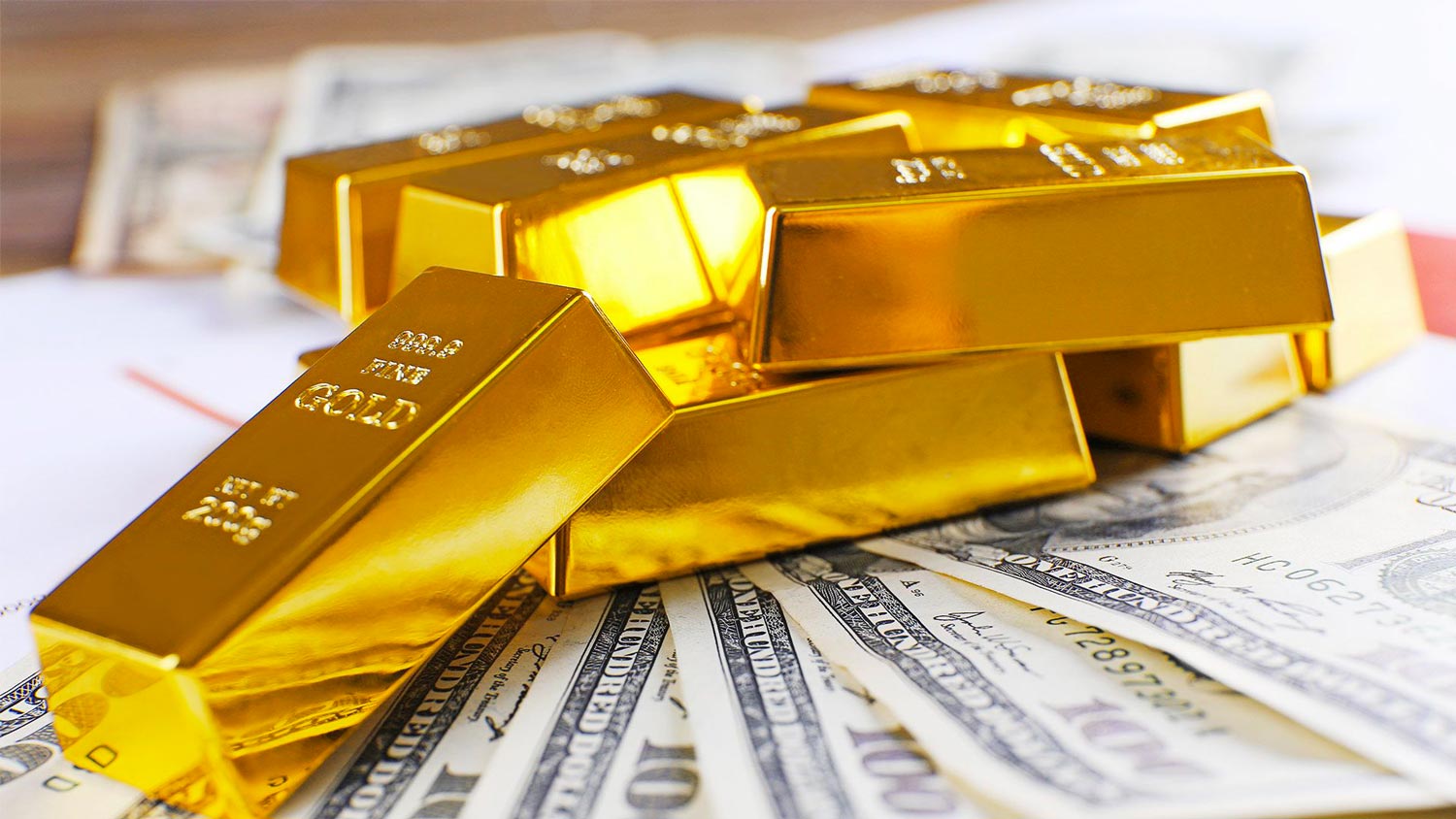
Palladium belongs to the same family as gold, silver and platinum, yet it behaves quite differently. Whereas gold acts as a safe haven, palladium responds chiefly to industrial cycles.
Gold versus palladium
Gold tends to appreciate when markets doubt or inflation looms, whereas palladium shines when industrial production accelerates.
In 2021, its price even exceeded gold’s — a historic first. Since then, the hierarchy has normalised: the gold/palladium ratio hovers around 1.3 in 2025, confirming that gold is more stable while palladium remains speculative.
Silver versus palladium
Silver combines a monetary and industrial role: it serves both as a store of value and as a critical input for green technologies.
Palladium, by contrast, is about thirty times rarer than gold and trades on a much smaller market. That translates into:
- ✅ Thin liquidity
- ✅ Sharper price swings
- ✅ Higher transaction costs
This “rare and twitchy” profile appeals to performance‑seeking investors, but it demands a high tolerance for risk.
Platinum versus palladium
The two metals are chemically close and often substitutable. When palladium becomes too expensive, the auto industry leans back towards platinum.
Today, platinum trades around $900 per ounce, versus $1,200 for palladium. That differential is already prompting some manufacturers to pivot partly to platinum as a more economical choice.
But substitution has limits: palladium remains more effective for petrol engines, while platinum is gaining ground in hydrogen fuel cells.
Precious metals comparison (2025)
| Metal | Nature | Strengths | Limitations | Average price 2025 |
| Gold | Safe haven |
|
|
≈ $2,400/oz |
| Silver | Industrial & monetary |
|
|
≈ $28/oz |
| Platinum | Industrial & technological |
|
|
≈ $950/oz |
| Palladium | Strategic industrial |
|
|
≈ $1,200/oz |
How to invest in palladium in 2025

There are several ways to invest in palladium, depending on your profile and risk tolerance.
#1 – Specialist ETFs
The abrdn Physical Palladium Shares (PALL) ETF remains the simplest route. Each share corresponds to a fraction of an ounce of physically stored palladium.
- ✅ Ongoing charges: 0.60% p.a. (higher than for gold).
- ✅ Good liquidity and straightforward access via a brokerage account.
Read also: Our comparison of the best ETF brokers
This is the most practical choice for gaining exposure to the metal without dealing with storage.
#2 – Futures contracts
Palladium also trades on the NYMEX, with spectacular swings. In the first half of 2025, front‑month futures rose by more than 20%.
These instruments offer powerful leverage but also elevated risk — they are best reserved for experienced traders.
#3 – Physical metal
Palladium coins and bars exist, but their market remains niche. Premiums are significant (up to 20%) and resale can be slow. It is therefore a specialist holding, closer to collecting than pure investing.
💡 Reminder
For most investors, ETFs offer the best balance of liquidity, transparency and simplicity. Physical holdings mainly make sense for long‑term wealth diversification.
Outlook 2025–2030
The coming years are likely to remain highly uncertain. Two scenarios dominate:
Bullish scenario
- ✅ Internal‑combustion and hybrid engines retain a meaningful market share
- ✅ Anti‑pollution standards keep tightening
- ✅ Supply stays concentrated and vulnerable to geopolitical stress
In this case, analysts estimate the price could recover towards $1,400 to $1,500 per ounce by late 2025.
Bearish scenario
- ⚠️ Electric‑vehicle adoption accelerates
- ⚠️ Recycling of catalytic converters boosts secondary supply
- ⚠️ Cheaper platinum gains ground
Some experts, such as the World Platinum Investment Council, even foresee a potential market surplus from 2025 if recycling expands. Palladium could then stabilise around $1,000 per ounce, or slightly below.
💡 Good to know
Analysts at Indigo Precious Metals describe the market as “bullish, not euphoric”: optimistic, but without runaway exuberance. Demand is solid, yet the long‑term outlook will depend entirely on the speed of the energy transition.
Conclusion
Palladium remains a category of its own: both industrial and speculative, indispensable yet vulnerable.
After the 2019–2021 euphoria and the subsequent slide, it has found a cautious equilibrium in 2025. Its scarcity, geopolitical sensitivity and crucial role in catalytic converters still make it a strategic asset.
For investors, it can serve as a tactical exposure, correlated with global growth, sensitive to industrial cycles and capable of rebounding if supply tensions persist.
But it is also a demanding asset, suited to those who accept volatility and the risk of swift reversals.
Within a diversified portfolio, palladium retains its place as a measured wager on scarcity and automotive technology, for as long as the combustion engine hasn’t fully bowed out.


